Don't Wait: Why Your First Call Matters After a DUI in San Francisco
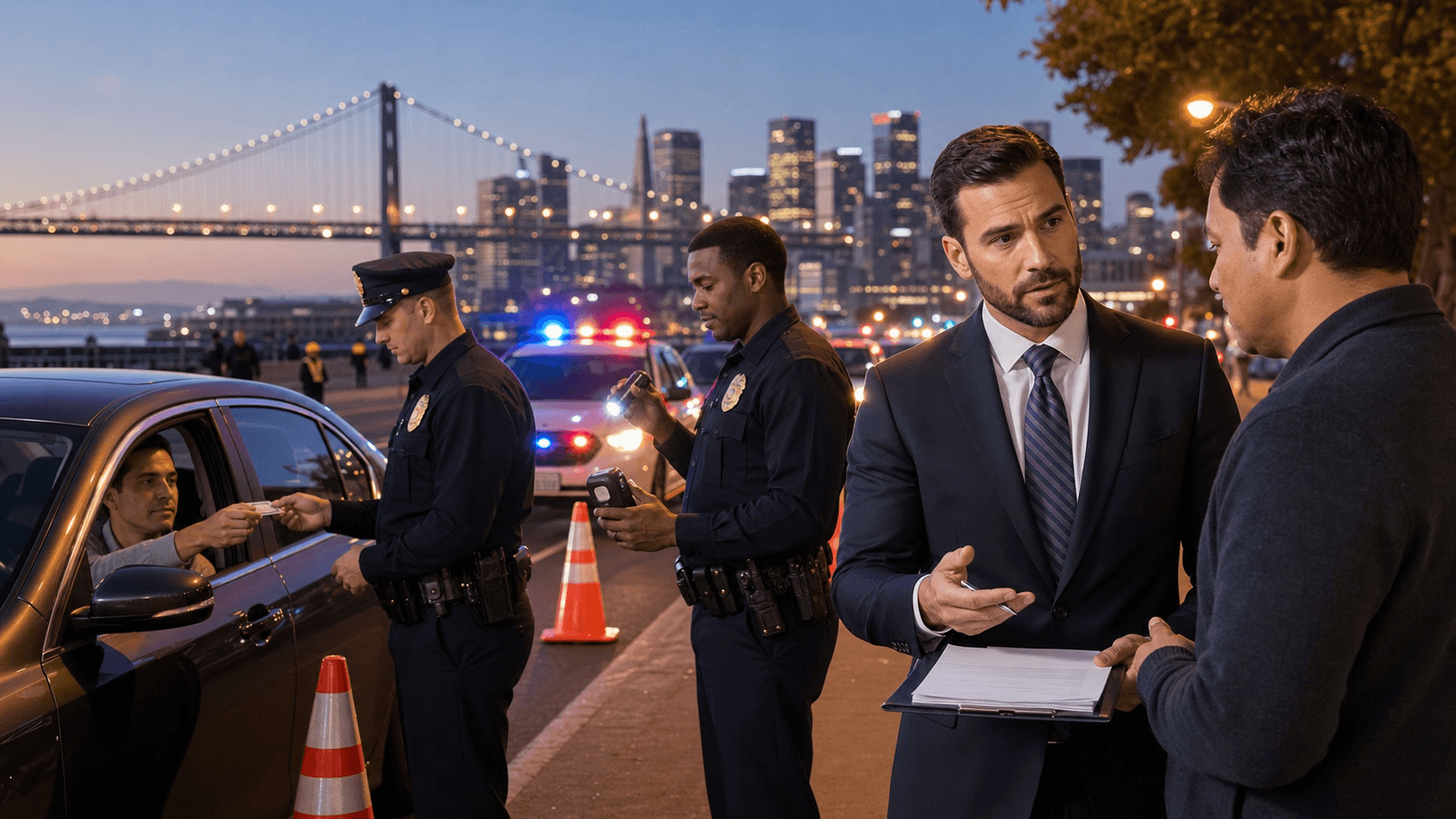
A DUI stop in San Francisco can go from flashing lights to handcuffs in just a few minutes. What you do and say in those early moments can affect your license, your record, your job and even immigration status if you are not a citizen. Waiting to get help only gives the system a head start on you.
On my YouTube channel, I regularly break down real police stops, field sobriety tests, DMV deadlines, and court strategies in California DUI cases. This article is based on those weekly video lessons and applies them specifically to what you should do immediately after a DUI arrest in San Francisco.
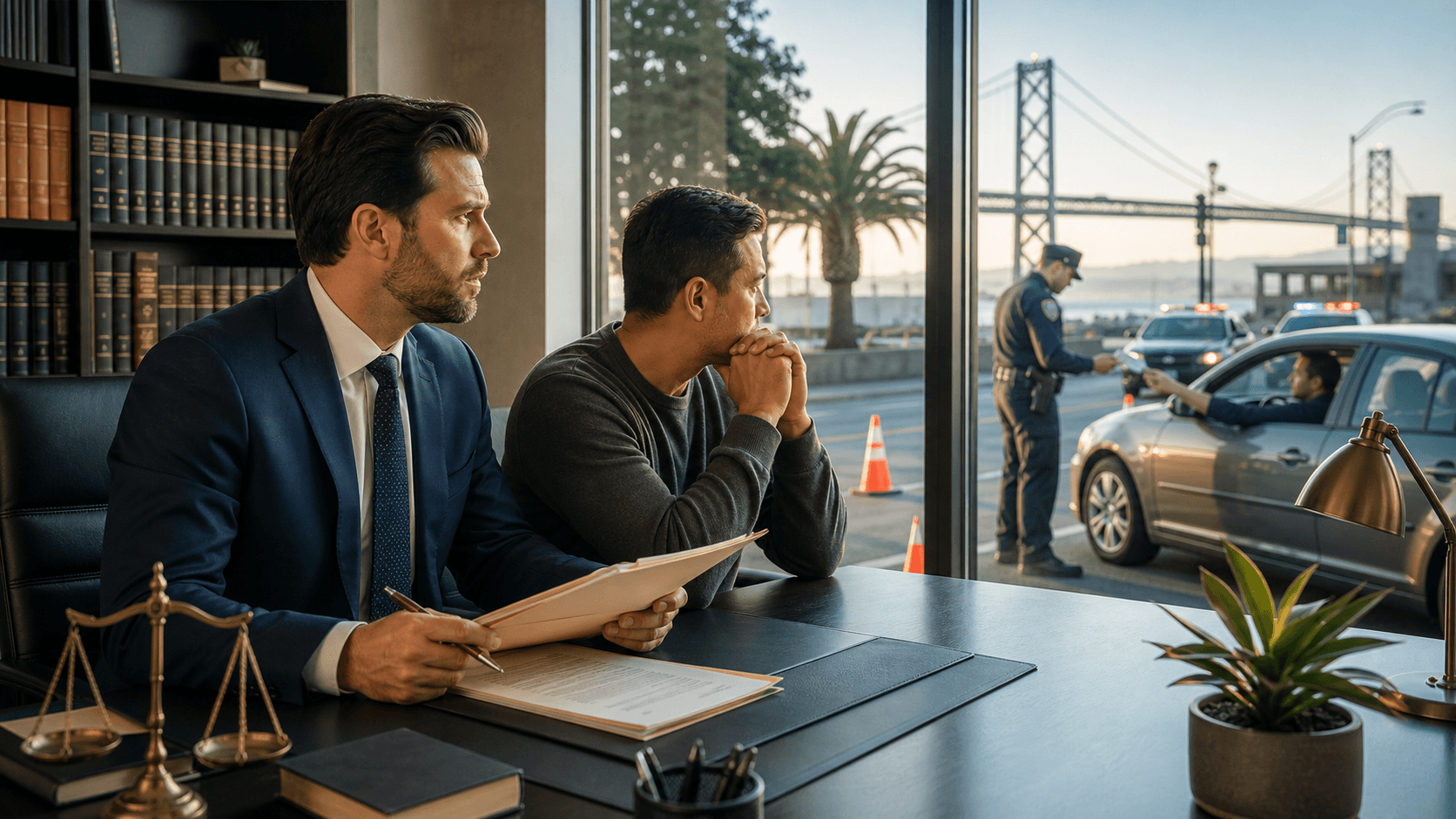
We will walk through when to pick up the phone, what to say and not say, and how early legal help can protect your future.
Key Moments You Must Call a DUI Lawyer Immediately
There are certain points in a DUI case where waiting is the worst thing you can do. Acting fast gives your lawyer more tools to work with.
Right after the traffic stop and arrest, things move quickly:
- You are pulled over, asked questions, and given field sobriety tests
- You may be asked to blow into a breath machine or give a blood sample
- You are put in handcuffs, taken to the station, and booked
During this time, anything you say can end up in a report or on video. Officers are trained to ask questions in a way that makes you talk. You have the right to stay silent and to ask for a lawyer.
The moment officers start asking about where you were, what you drank, or how you feel, you should clearly say that you want to speak to your attorney. After that, stay polite but quiet.
Within days of your release, another deadline hits. In California, you usually have only a short 10-day window from the date of your arrest to ask for a DMV hearing to fight your license suspension. If you miss it, your license can be taken away even before you go to court.
A DUI lawyer in San Francisco can:
- Request the DMV hearing for you
- Stop automatic license suspension while the hearing is pending
- Start preserving body-cam, dash-cam, and 911 recordings
You should also get legal help before you speak to any insurance company or sign anything from the court or the prosecutor. Insurance adjusters may sound friendly, but they are building a file that can be used against you. Quick plea offers are not always fair, and you should not agree to something without a full legal review.
How a DUI Lawyer Challenges Evidence in San Francisco
Police and prosecutors rely on evidence that can look very strong at first. A focused DUI defense looks for the weak spots.
In my videos, I often explain:
- What counts as reasonable suspicion for a stop
- What facts officers need for probable cause to arrest
- How small mistakes in reports can raise big questions
First, your lawyer looks at the legality of the traffic stop and arrest. If the stop was weak or the arrest was not supported by enough facts, your lawyer can file motions asking the judge to throw out some or all of the evidence. This can change the whole case.
Next, we dig into field sobriety tests and breath tests. These tests are not perfect. Problems can include:
- Bad instructions or confusing demonstrations
- Uneven or sloped sidewalks, especially on San Francisco hills
- Fatigue, nerves, or medical issues affecting balance or eye movement
- Breath machines that need regular calibration and maintenance
A DUI lawyer in San Francisco will review records on the breath device, the officer's training, and video of the tests when available. If the tests are unreliable, that can help push for reduced charges or even dismissal.
Blood tests are not beyond question either. Labs can mishandle samples, mislabel vials, or break the chain of custody. An attorney can:
- Request lab records and protocols
- Bring in experts to review or retest samples
- Challenge how the results were collected, stored, and reported
These steps do not promise any outcome, but they can turn what seems like a sure conviction into a case with real defenses.
Summer DUI Risks Unique to San Francisco
In several of my summer-focused DUI videos, I talk about how the season brings more outdoor events, longer evenings, and more traffic enforcement. Law enforcement often adds:
- Extra officers on the road
- Sobriety checkpoints on busy routes
- Targeted patrols near beaches, ballparks, and nightlife areas
Even light "buzzed" driving to or from a barbecue, a rooftop party, or a game can lead to a stop if an officer thinks you made a mistake behind the wheel.
San Francisco roads also have unique challenges that can make sober driving look impaired. You may see:
- Steep hills that affect how you brake, start, and park
- Tight turns and confusing one-way streets
- Heavy tourist traffic that can cause sudden stops and swerves
These conditions can sometimes explain things like weaving, rolling stops, or trouble with balance on a sloped sidewalk. Poor driving or a wobbly step does not always mean intoxication.
Tourists, rideshare drivers, and people in rental cars face extra stress. If you are:
- Visiting from another state or country
- Driving for Uber, Lyft, or another rideshare service
- Using a rental car for work or vacation
a local attorney can often appear at certain hearings for you, guide you on how the case affects your license back home, and talk through how it may affect your job or background checks.
What to Do Right Now If You Are Facing a DUI Charge
If you are dealing with a recent DUI arrest, the next 24 to 48 hours are important. Try to:
- Write down everything you remember about the stop, tests, and arrest
- Keep all papers, tickets, and property receipts in one safe place
- Avoid posting or commenting about the incident on social media
- Stay away from contacting any alleged victim directly if there was a crash
These simple steps help lock in your memory while it is still fresh and keep you from saying something that might be used against you later.
When you are ready to talk to a lawyer, preparing for that first consultation can make it more helpful. Bring or gather:
- Citations and any paperwork from the jail or police
- Release documents, court date notices, and any restraining orders
- Any paperwork showing breath or blood test results
- DMV forms or temporary license documents
At Amin Law, we take this information and apply the same principles I discuss on my weekly YouTube videos at https://www.youtube.com/@AminLaw1. We look at the stop, the tests, the reports, and the deadlines, then start mapping out a defense plan so you understand your options and what comes next.
Protect Your Future With Experienced DUI Defense
If you are facing DUI charges, you do not have to navigate the legal system alone. At Amin Law, we carefully review every detail of your case so we can pursue the strongest possible outcome for you. Speak with an experienced DUI lawyer in San Francisco today to understand your options and next steps. Reach out now so we can start building your defense without delay.